
On the merits of rewilding urban areas
By Robin Schneider
If you were to take a walk through a national park, you would bear witness to a myriad of nature's wondrous creations. You may behold a tree that towers over hundreds of feet that has been on this earth for thousands of years. You may gaze upon a vast river, rife with exotic fish that can only be found in one part of the world.
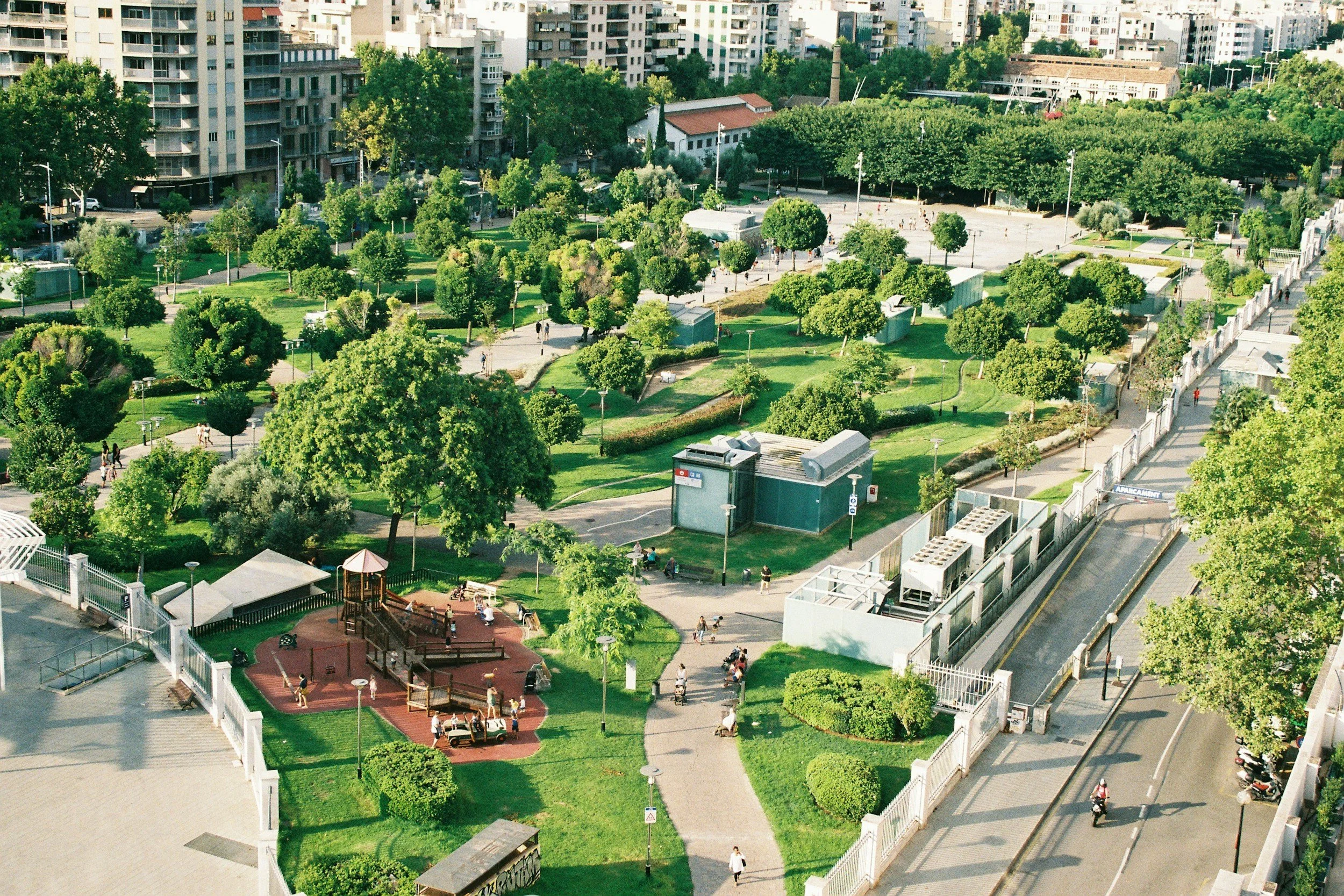
But consider this: take a walk through a metropolitan city - Manhattan, Tokyo, London - and you'll see buildings that tower well above those measly trees you see in a forest. You’ll find beverages far more tasty and appealing than the bland water that flows through the river, and you'll find food prepared with by the finest chefs using the otherwise useless creatures of the wood to create meals of divine caliber. By simply basking in the glorious innovation and creation humanity has plastered nature's canvas with, it is clear to see nature's accomplishments are outmatched at every turn. To insinuate that rewilding these areas people have worked years to perfect is positively insane. Nature is well and truly out of style, and the minor consequences of humanity's progress is merely the cost of beneficial innovation.
Nature has been, for some time, slipping in popularity and presence. Less than ten percent of urban dwellers have twenty-five percent or more forest cover where they live. The vast majority of people have adopted to live apart from nature, and this is no mistake. Nature takes up space and accomplishes nothing. It is only practical we eliminate what little remains and occupy the space with infrastructure of actual value.
"No tract of land is too small for the wilderness idea."
There's also no tract of land too small for something actually useful. A gas station, a power plant, even a single solar panel in lieu of a tree would accomplish far more and bring about a benefit for humanity, rather than keeping a tree that casts a shadow upon the greatness of our accomplishments.
It is not an unpopular outlook that forests and other wild environments should pervade the urban areas in which people have taken root. Some argue that in past generations children's favorite places have been unregulated natural parks. With due respect to prior generations, favoring such places for entertainment was merely the depressing product of a lack of alternatives. The fact that modern generations cannot recognize the touch of grass is evidence we have moved, as a species, to greener pastures.
People now occupy their time with things of value, such as going to an indoor gym, working in a cubicle, or gaining followers on social media, not rolling around in an empty field. A common method for rewilding areas is to reintroduce an apex predator to an ecosystem. This short-sighted and misplaced effort ignores the obvious fact: an apex predator is already there, and it is eliminating its natural prey. Humans have taken their rightful place at the top of the evolutionary hierarchy, destroying all that which lies below us, such is our right. The notion that, so close to vanquishing nature, which has held us back so long, we should spare it and invite it back is lunacy.
One argument of merit for rewilding certain areas is that the emissions produced by many areas to which humans spread our influence can be harmful to us. Four-hundred sixty-five billion tons of carbon dioxide would be sequestered by restoring only thirty percent of priority areas. This is undoubtedly a significant amount of emissions that tragically clog the lungs of humans each day and shorten our lifespans.
It is true that 'rewilding' could, conceivably, reduce these emissions. But the only thing stopping humanity from reducing the emissions ourselves is the innovation to do so. And nothing hampers human innovation more than the nuisance that is nature. If humanity were to complete our destiny and destroy nature forever, we would be free from complications that prevent us from solving the problems we cause. With nothing in our way, solving the issue of carbon emissions will be little more than a hop, a skip, and a jump away. It is therefore not an argument but merely common sense to say that rewilding is a calamitous step backwards from where humanity must go if we are to progress.
———————
Editor’s note: The sanity of the author is best left for the reader to decide.