
Chepooka and Gloopy Govereet
(Nonsense and Stupid Speak)
By Elsie Bail
Every day we use and hear words that have been around for centuries, from the very roots of our language. Greek, Latin, French, Nordic, and Germanic dialects built our vocabulary in the past but today our words come instead from algorithms and memes pushed by influencers, brands, and social media apps.
However, this wasn’t always the case. Popular slang from the past doesn’t just die out. I’m not only talking about the words cool, wicked, or rad spread by the 1940s jazz culture. I’m talking about slang from hundreds of years ago. Words such as critic, lonely, bedazzled, addiction, and manager. These words haven’t always been around and were never really slang in the modern sense. But what do they have in common? They are all one of the 1,700 terms coined by Shakespeare. These words now common use weren’t around till the late 1500s and only came into common use in the English language after Shakespeare became popular.
But what makes some of these words last? Slang in this age of media consumption moves as fast as it ever has with unfamiliar words cycling in and out in a matter of months or weeks. According to Jonathan Dent’s piece “The Rise and Rise of Slang” the beginnings of slang were words passed around by criminals and sailors, so how did this unsavory start of slang lead to the super phenomenon that it is today? The answer lies in teenagers. Teenagers hundreds of years ago used slang to refer to books, plays, and their daily lives. A sort of medieval social media network. The 1960s provided a huge advancement of slang with British Invasion, civil rights, feminism, folk music, and protest. Phrases such as burning rubber, making out, and having a blast becoming popular. The 70s and 80s provided a new world of music, movies, and politics: Psyched, sweet, bomb, lame, and fresh. The 2000s was an explosion of slang for one major reason; the internet. Abbreviations soon took over, LOL, TMI, BRB, TTYL, IDK. Created for the convenience of quick texting for a chronically online generation.
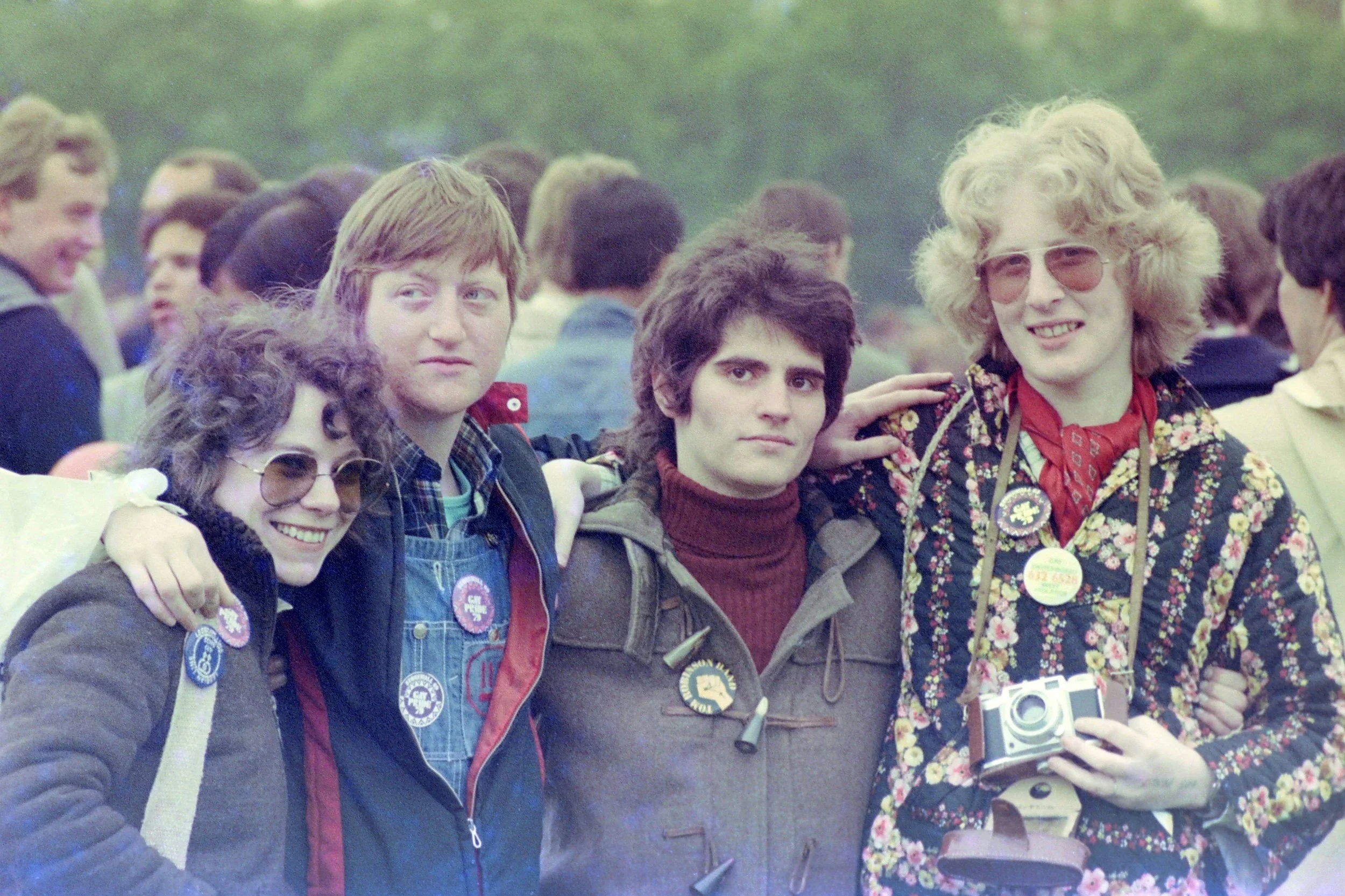
Slang today is a huge part of Gen Z and Gen Alpa culture who were raised on the internet and the first generations to grow up in such an age of technology. I find slang mixed into my everyday vocabulary without even noticing. Words like lowkey and tuff becoming words I use daily.
So, what words are popular in our school? Words such as niche, ragebait, tuff, lowkey, peak, gas, cooked, and fire are favorites among my peers. Slang words that are used in our school for one of the first times ever can be heard across the country and even the world, no longer only used in a region or one group of people. This widespread use of slang words leads to the abundance and variety that we see today. Older slang mixes with new to create a whole new kind of communication.
So, the question is, is slang really good for us? Slang has been used in various places in the world. From thieves to teenagers there is a surprising amount of controversy surrounding slang. In Anthony Burgess’s A Clockwork Orange slang is used to show the intellectual decline of an apocalyptic world with a mixture of English, Russian, and made-up words called Nadsat. Nadsat comprises almost 25 percent of the book's language. While some of these words are recognizable such as auto for car, appy polly loggies for apologies, and baboochka for old woman. Other words become fully unrecognizable; barry place for prison, boomaboom for thunder, and even cancer for cigarettes. These words show slang as an agent of chaos that will take over when the world ends, for the illiterate and the poor. On the opposing side, a National Geographic article praises slang and shares a study where children taught with slang are more flexible in interacting with the world around them. Slang is a form of self-expression not for one person but for a whole generation. Slang shows what is important to a population or demographic of people.
Slang, while sometimes dumb and completely meaningless, is something that will stay forever. Creating a dialect for everyone no matter how cringe or irrelevant it's an outlet that is undenyably priceless.